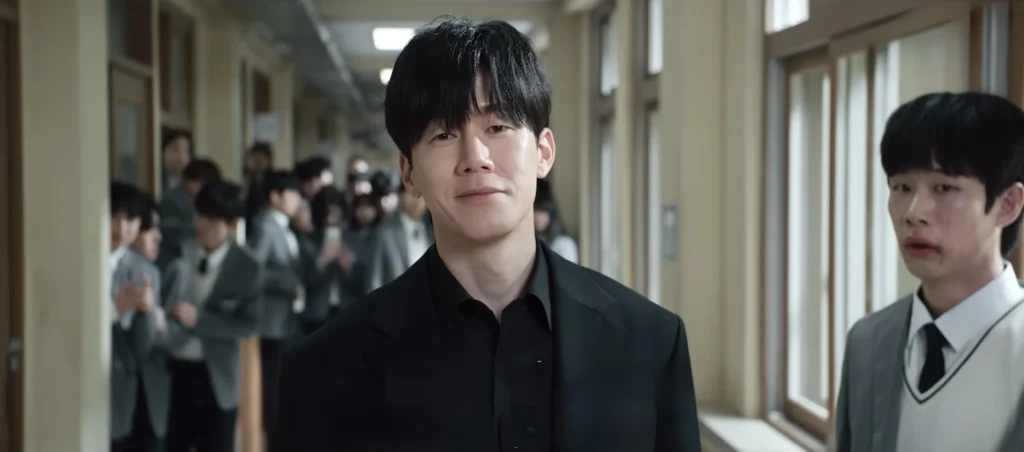
Teach You a Lesson Review: Kim Mu-yeol’s commanding presence as Na Hwa-jin sets the tone early, but Teach You a Lesson succeeds because it is far more than a one-man show. Under Hong Jong-chan’s direction, the series assembles a compelling team of characters who move from school to school confronting cases of bullying, violence, corruption, and abuse that have spiralled out of control. It is an ambitious premise, and remarkably, the drama delivers on it almost every step of the way. The occasional slowdown in the middle episodes is the closest thing to a notable flaw, yet even those quieter chapters serve the larger story. Blending hard-hitting social issues with entertaining action and unexpected humour, the series keeps finding new ways to stay fresh. By the time the final episode raised the stakes one last time, I was convinced this was one of the most engaging K-dramas Netflix has offered in recent years.
Directed by Hong Jong-chan and led by an excellent cast featuring Kim Mu-yeol, Lee Sung-min, Jin Ki-joo, and Pyo Ji-hoon, the series presents a fictional but disturbingly believable version of South Korea’s education system. The story revolves around schools where discipline has completely collapsed. Students assault teachers, bully classmates, engage in criminal activities, and in some cases push vulnerable students toward suicide. Drug dealing, blackmail, violence, and exploitation become everyday realities within these institutions.
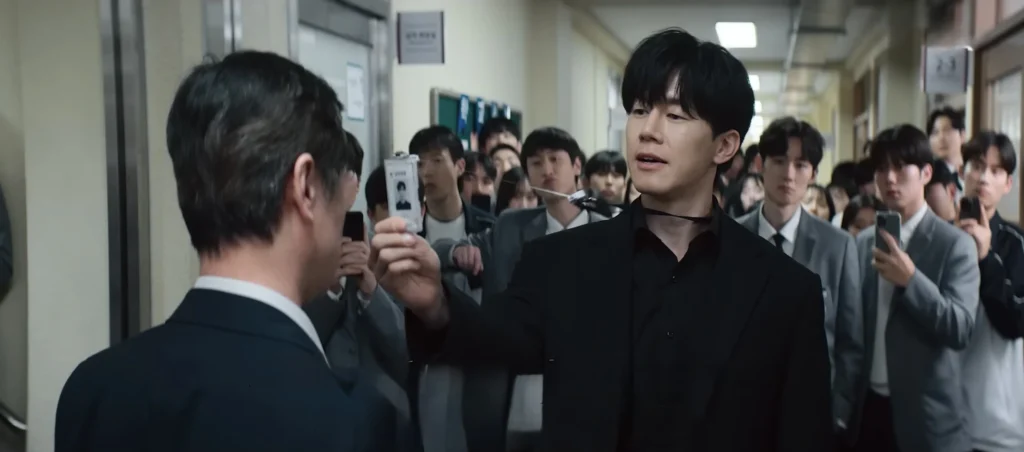
To confront this crisis, a special government-backed team is created under the Ministry of Education. Their mission is simple but dangerous, protect innocent students, support teachers, help parents, and eliminate the corruption that has infected the education system. The drama follows these inspectors as they move from school to school, tackling different cases and exposing the darker side of academic institutions.
One of the aspects I appreciated most was the show’s semi anthology structure. While there is an overarching narrative connecting the episodes, many of the stories focus on different schools and unique situations. Every time one case concluded, I found myself wondering what challenge would appear next. That unpredictability kept the series fresh and consistently engaging.
What makes Teach You a Lesson especially effective is that it refuses to focus solely on students. The narrative also explores the struggles of teachers and parents. Their perspectives add emotional weight to the story and make the conflicts feel more complex. Instead of presenting simple heroes and villains, the drama examines how systemic failures affect everyone involved in education.

From a storytelling perspective, I found the beginning and ending exceptionally strong. The middle portion slows down slightly in a few places, but never enough to damage the overall experience. Even during its quieter moments, the series remains compelling because every episode builds toward a satisfying resolution. The final episode, in particular, raises the stakes significantly and delivers some of the strongest moments in the entire season.
The show balances comedy, action, and social commentary surprisingly well. The action scenes are exciting and often cathartic, while the humour prevents the narrative from becoming overwhelmingly dark. More importantly, the social issues never feel artificially inserted. Topics such as bullying, suicide, violence, and substance abuse emerge naturally from the story rather than being forced into it.
Some viewers may argue that the series exaggerates the realities of school life. I disagree. While certain situations are heightened for dramatic effect, the underlying issues are very real. News reports around the world regularly highlight incidents involving bullying, violence against teachers, student suicides, and other troubling problems within educational systems. Because of this, the drama rarely feels unrealistic. Instead, it often feels uncomfortable precisely because it touches on realities that many people prefer to ignore.
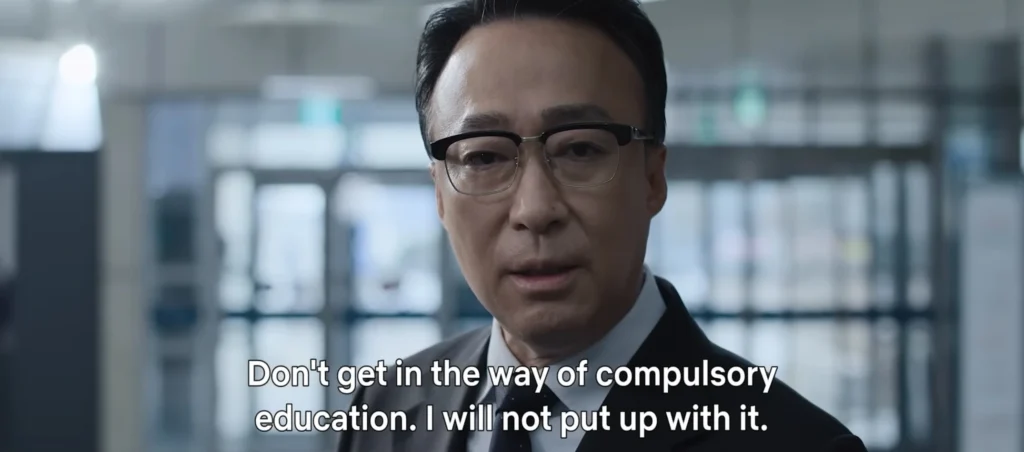
Another fascinating aspect is the insight it provides into Korean attitudes toward education. The series demonstrates how seriously educational integrity is treated and how much respect teachers are expected to receive. This cultural perspective adds depth to the story and elevates it beyond a straightforward action drama. Beneath the thrilling confrontations lies a broader conversation about responsibility, accountability, and the value of education in society.
I was also impressed by how naturally the series communicates its message. Rather than delivering lectures to the audience, it allows the themes to emerge through character actions and consequences. This approach makes the viewing experience far more enjoyable. The entertainment never stops, yet the underlying ideas remain meaningful.
One of the most satisfying elements of the show is its practical worldview. It does not rely on idealistic solutions or simplistic moral lessons. Instead, it embraces a tougher, more realistic approach to dealing with serious problems. Whether viewers agree with the methods used by the characters or not, the drama constantly sparks discussion about justice, discipline, and the limits of authority.

The performances deserve special praise. Kim Mu-yeol commands attention as Na Hwa-jin, bringing intensity and charisma to every scene. Lee Sung-min provides authority and gravitas, while Jin Ki-joo and Pyo Ji-hoon contribute strongly to the team’s dynamic. Together, they create a cast that feels both entertaining and believable.
By the time the credits rolled on the final episode, I struggled to identify any major weaknesses. Aside from a handful of slightly slower moments in the middle stretch, the series consistently delivers suspense, action, emotion, and social relevance. Every episode offers a meaningful payoff, making the ten episode runtime feel far shorter than it actually is.
For viewers searching for a gripping K-drama that combines action with thought-provoking themes, Teach You a Lesson is an easy recommendation. It is engaging, emotionally effective, and surprisingly insightful. Most importantly, it never loses sight of its primary goal, keeping the audience thoroughly entertained from beginning to end.
Rating: 4.5/5
