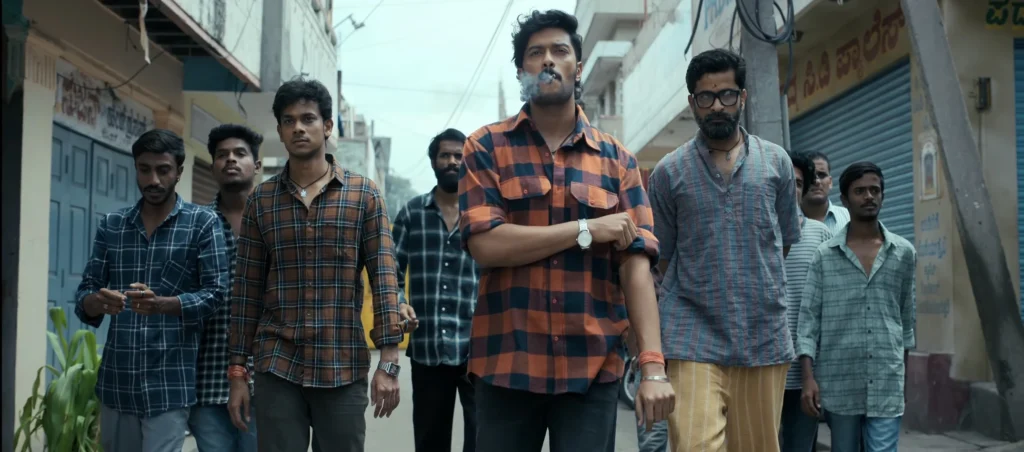
Mango Pachcha Review: Director Viveka approaches Mango Pachcha with admirable clarity, while debutant Sanchith Sanjeev carries the film with a confidence that rarely feels like a newcomer finding his feet. Arriving with the inevitable weight of being Kichcha Sudeep’s nephew, Sanchith faces comparisons head-on and emerges as one of the film’s biggest strengths, even if traces of his uncle’s screen presence occasionally peek through. Set against the gritty streets of early-2000s Mysuru, this compact crime thriller moves with remarkable urgency, powered by Charan Raj’s pulsating score and sharp technical craftsmanship. The trade-off, however, is that the film’s relentless pace sometimes leaves supporting characters and emotional moments underexplored. Even so, Mango Pachcha remains an engaging, high-energy gangster drama that knows exactly what it wants to be, delivering solid entertainment backed by a promising debut performance and impressive technical execution.
Set in Mysuru between the early 2000s and around 2010, the film follows a young man living a modest life with his mother and younger brother. He runs a small DVD store and stays away from trouble, at least initially. Beneath that ordinary exterior, however, lies a man filled with ambition and dreams that stretch far beyond his circumstances. A series of developments gradually pulls him away from his simple existence and into the dangerous world of local crime and power politics. What follows is the rise of Pachcha, his transformation into the feared “Mango Pachcha”, and his struggle to build the empire he believes he deserves. The story ultimately revolves around ambition, power, survival, and the price one pays for chasing influence.
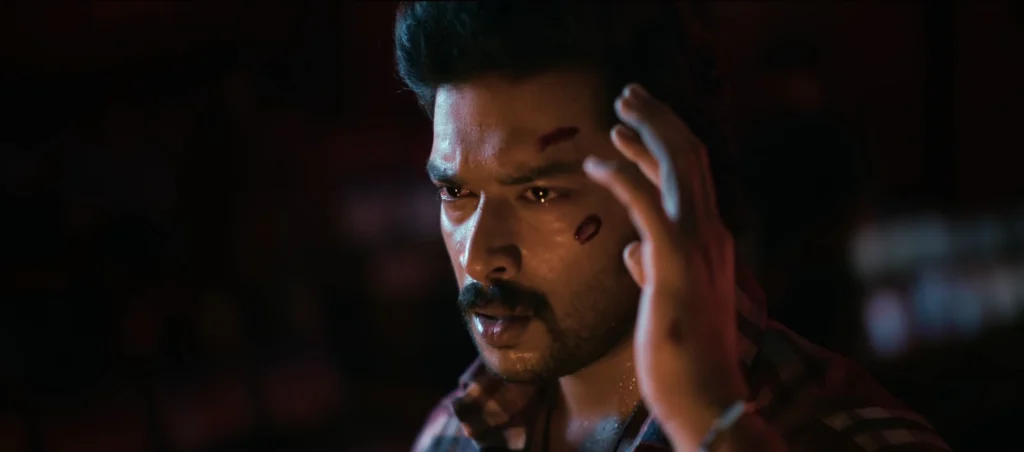
One of the first things that impressed me was the film’s pacing. At just 1 hour and 35 minutes, Mango Pachcha wastes very little time. The screenplay moves swiftly from one event to another, maintaining momentum almost throughout. I never felt the narrative slowing down unnecessarily. Director Viveka deserves appreciation for understanding exactly what kind of film he wanted to make. He combines multiple narrative threads and keeps them moving in parallel without creating confusion. For a debut feature, this level of clarity is genuinely commendable. The storytelling may not always pause long enough to explore every emotional beat, but it succeeds in keeping the audience engaged.
Sanchith Sanjeev emerges as one of the film’s strongest assets. His appearance, costumes, hairstyle, body language, and overall screen presence perfectly suit the raw Mysuru setting. I found his performance surprisingly assured for a newcomer. He handles the character’s various shades with confidence and brings energy to both dramatic and action-oriented moments. There are scenes where I could notice shades of Kichcha Sudeep’s mannerisms, which is hardly surprising given the family connection. Yet Sanchith does not rely solely on imitation. He attempts to create a distinct personality, and that effort is visible throughout the film. His swagger, action sequences, and commanding presence suggest that Kannada cinema may have found a promising young performer.
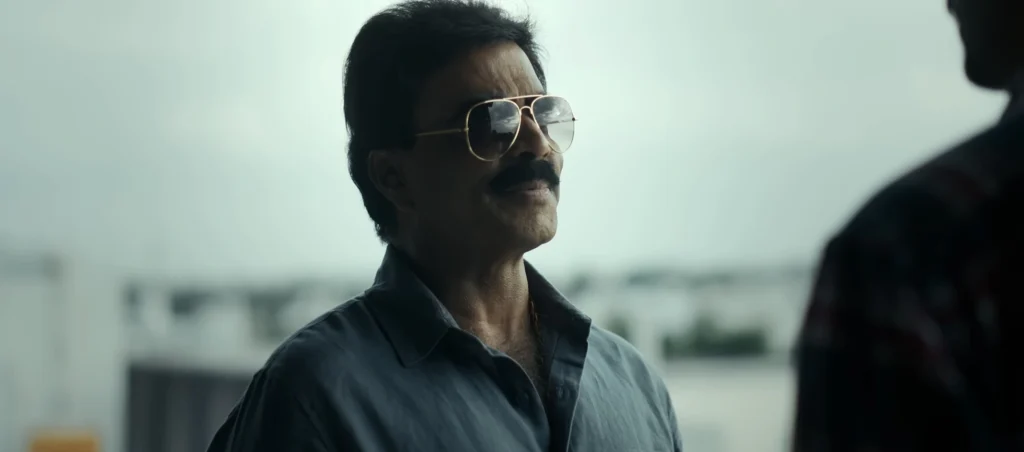
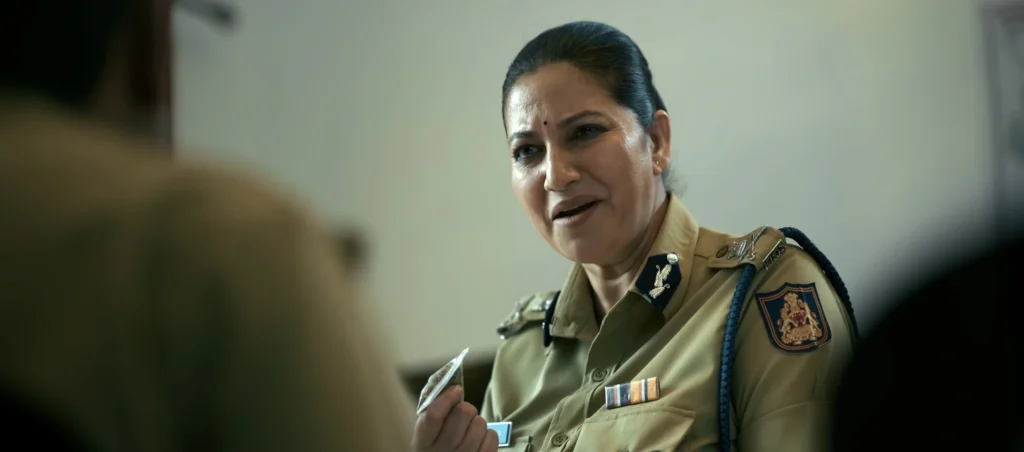
The supporting cast also contributes effectively. Mayur Patel, Kaajal Kunder, Harini Sreekanth, Jai Gopinath, and Ugramm Manju receive meaningful roles within the narrative. I appreciated the way their characters fit naturally into the story’s world. However, the film’s short runtime becomes a double-edged sword here. Because the story moves at such a rapid pace, some supporting characters do not receive the depth or development they deserve. A few additional scenes could have strengthened their emotional impact considerably.
If I had to identify the film’s biggest strength, I would point toward its technical department. Charan Raj’s music is outstanding and frequently elevates the viewing experience. His background score injects energy into crucial moments and amplifies the tension whenever the story enters darker territory. The heavy beats, retro influences, and atmospheric sound design create a distinctive mood. I particularly enjoyed how the music enhances Sanchith’s introduction, producing one of the film’s most exciting theatre moments. The inclusion of a song from Shanti Kranti also adds a layer of nostalgic charm.
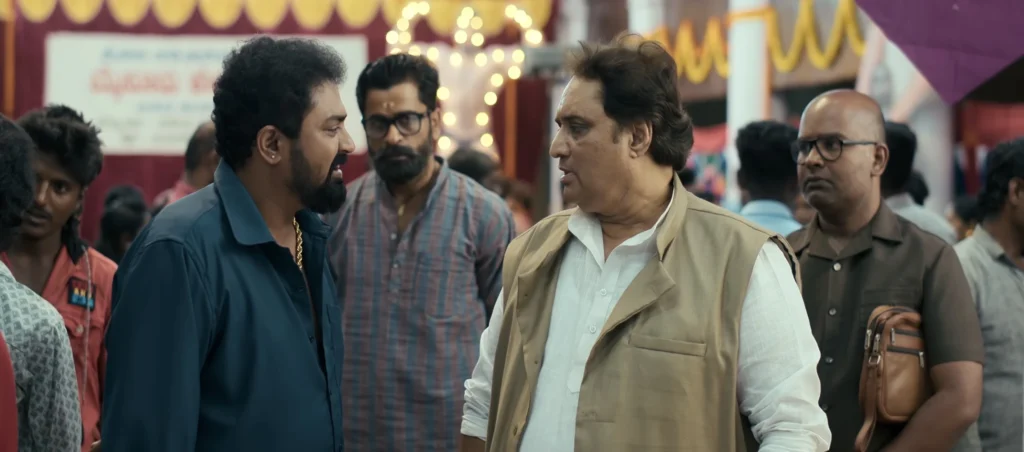
Shekhar Chandra’s cinematography deserves special mention. He recreates Mysuru of the early 2000s with remarkable visual authenticity. The film embraces earthy textures, rustic locations, and darker visual tones that complement its crime-thriller atmosphere. Frame after frame, I felt immersed in that era. The city itself becomes an important character, and the cinematography ensures that its personality remains visible throughout the journey.
The film carries an A certificate, and that classification feels justified. Raw action, graphic violence, and the presence of narcotic substances make it more suitable for mature viewers. This is not designed as family entertainment. Instead, it caters directly to fans of gritty crime dramas and high-energy thrillers. Those audiences are likely to find plenty to enjoy.
The climax left me with mixed but generally positive feelings. Mango Pachcha is intentionally designed as a compact roller-coaster ride rather than a character-driven epic. The narrative often relies on montage-heavy storytelling, which occasionally reduces emotional depth. Some character arcs feel abbreviated because the film prioritises speed over introspection. Yet the rapid screenplay and impressive technical execution ensure that the entertainment value remains intact. Sharath Vashisht’s editing plays a crucial role here. The film rarely loses momentum, and the crisp editing helps maintain engagement from beginning to end.
The producers, Priya Sudeep, Karthik Gowda, and Yogi G. Raj, have backed the project with appropriate production values. Nothing feels excessive, yet everything looks polished enough to support the story’s ambitions. I appreciated the restraint and practicality behind the film’s presentation.
What ultimately stayed with me was the film’s confidence. Mango Pachcha knows exactly what it wants to be. It is fast, impactful, technically strong, and anchored by a promising debut performance. While deeper character exploration could have made it even stronger, the film succeeds as an entertaining crime thriller packed with energy and local flavour. There is also a pleasant surprise cameo that audiences will likely enjoy discovering for themselves.
For viewers who enjoy raw gangster dramas, stylish action, and fast-moving narratives, Mango Pachcha is certainly worth a theatre visit. It may not reinvent the crime genre, but it delivers enough excitement, atmosphere, and performance-driven moments to leave a favourable impression.
Rating: 3.5/5
